Volleyball Positions in Nigeria
Volleyball is now played in schools, universities, clubs, and even at the professional level in Nigeria. With the growth of the sport in Nigeria, it has become important for players, coaches, and fans to understand all of the roles in volleyball. Each of the roles has a specific purpose, and to be successful, all of the roles must work together for team success. Development of Nigerian volleyball players appears to be following the international standard for development but is blended with the Nigerian approach to development which considers their training, league structure, and available player pathways. Check out all the volleyball positions in Nigeria and discover https://nigeria-bets.com/casinos/megapari/aviator now!
The Essential Volleyball Positions on the Court
In all of volleyball, there are six primary roles that players rotate through on the court. The roles are setter, quick attacker, outside hitter, power attacker, libero, and defensive specialist. In the Nigerian volleyball league and at the national level, all of the same roles are being played.
In the core roles, there is an opportunity to engage in offense, protection, and transition. Although players move around on the court, the roles that each player has remain unchanged throughout the game. This is critical at the higher levels of competition in Nigeria.
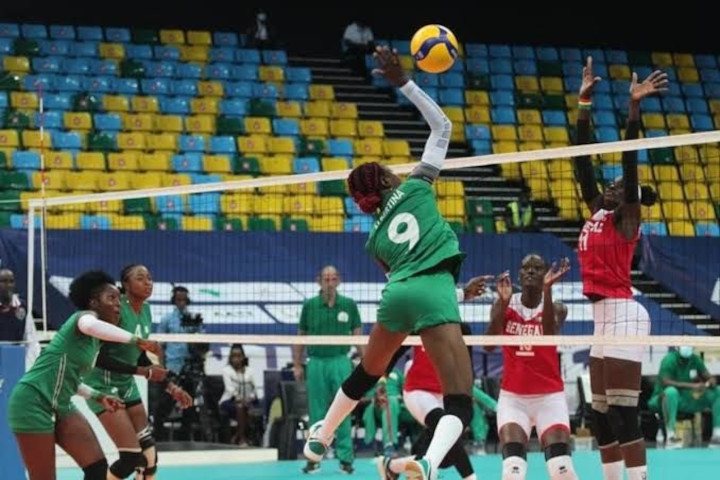
Standard Rotations in the Nigerian Volleyball League
In each division of the Nigerian Volleyball League, each division employs the universal six-rotation system, which remains unchanged in international volleyball. Each player rotates in a clockwise fashion after a server's point, so that every player experiences each of the front-row and back-row positions.
Nevertheless, the rotation remains unchanged in each of the roles. Setters modify their positions so that they can continue effective playmaking. In contrast, the quick attackers zone out the net protection when they are in the front row. Libero remains in the position where the front-row players should be, but adds depth in the back court. Nigerian teams leave very little margin for error when it comes to the rotational system, since a lot of the time poor system results in a loss of a point and a technical fault.
How Player Roles Evolve from Grassroots to Professional Level
Nigerian players tend to be all-rounders when they are starting out. Their school and community teams address the very basic skills, such as passing, serving, and basic movements. However, as players advance to the level of academies and clubs, with the help of coaches, roles become specialized, which is determined primarily by physical attributes, coordination, and decision-making.
At the professional level, players are even more narrowly specialized. They are trained for distinct positions and specific technical skills, such as quick attackers with quick attacks and liberos with advanced serve reception. This type of systematic advancement is what enables Nigeria to have a consistent and competitive volleyball program.
The Strategic Role of the Setter in a Volleyball Team
Setters are known as the tactical leaders of a volleyball team, often referred to as on-court managers. They construct the offense by determining which attacker will receive the set. This role has gained recognition in Nigerian volleyball as pivotal to the squad’s success.
Setters are the only players to touch the ball on every offensive touch and therefore, must be technically sound with good game-sense. Setters are responsible for determining the efficiency of scoring, game tempo, and exploiting rear-court play gaps, all through the choices they make.
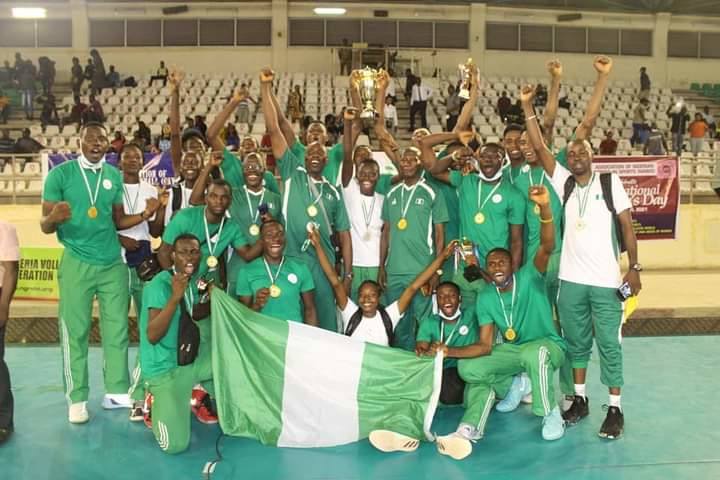
Playmaking Responsibilities and Leadership
The primary role of a setter is to deliver varying types of sets to attackers based on the situation. This is inclusive of quick sets to quick attackers, high balls to outside hitters, and back sets to power attackers. Nigerian volleyball setters are especially trained for this, as high-pressure matches often result in poorly executed sets.
Setters are also a key part of leadership on the offensive side of the ball. They are the voice between attackers, the signal play caller, and are the ones to keep the team calm during the rally. Great confident setters are often a reason teams play better, are more cohesive, and make fewer mistakes.
How a Coach Selects the Primary Playmaker
In Nigeria, volleyball coaches often look for on-court tacticians who are decisive, quick with their hands, and have great overall vision of the court. This is because coaches understand a great on-court tactician can also read and react in real-time to defenders and have a solid understanding of rear-court play formation, and proactively make decisions regarding the best approach for the offense to score.
Along with consistency, communication is key when choosing people for higher levels of setting jobs. Setters have to adjust to all the different attackers, which, for perfect timing and rhythm, requires extensive training. This is a sync that has to be repeatedly done.
Dominating the Net as a Middle Blocker and Lead Blocker
Middle blockers are the first to defend the net and to combine rear-court play blocking with offensive striking. This is the job that has to be done in Nigerian volleyball to the people who have to defend and control the outside of the hitting. This is the job that has to be done to defend the outside hitting. Middle defender are the first line of the squad’s defense and have to respond to the opposing sets and close blocks.
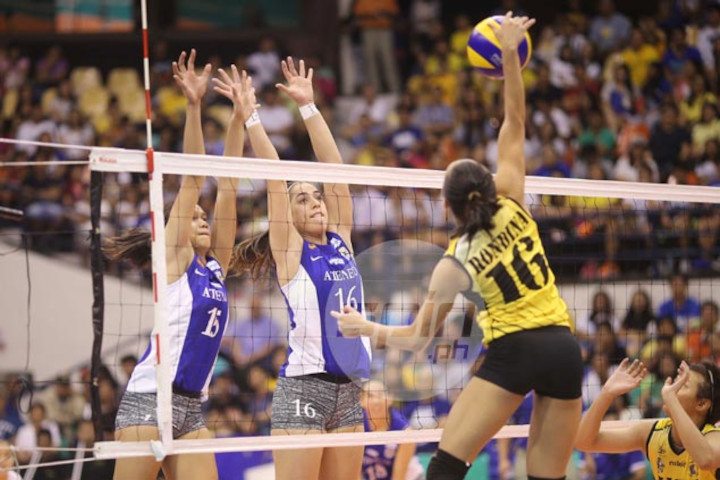
Defensive Reading and Fast Transitions
Middle blockers stop the volleyball when they can predict where the outside attacks are going to come from when they read the outside from the body of the on-court tactician. For Nigerian Teams to focus on improving the speed of the timing of the blocks and the lateral movements, it requires a lot of emphasis.
Quick attacker transition to offense after blocking. Attacks that are considered “fast” are done, and they can be considered quick sets and slides, and they have to make sure their own protection is not fully organized to make sure that they have an organized system of protection that is not fully organized to make sure that they are not fully organized to make sure that they are not fully organized to make sure that they are not fully organized to make sure that they are not fully organized to make sure that they are not fully organized to make sure that they are not fully organized to make sure that they are not fully organized to make sure that they have an organized system of protection.
The Importance of Height and Timing in the Middle
For middle blockers, being tall is an advantage, but height isn’t everything. Timing and footwork can be equally important. The Nigerian quick attacker coaches have their athletes focus on training vertical jumps and training for the speed of their reaction in order to be most effective with blocking. Jumps that are timed well can outdo taller jumps. Players who are considered to be timed jumpers can either block or spike on taller players, which is effective on both sides of the court.
Scoring Power: The Outside Hitter and Opposite Hitter
In most Nigerian volleyball teams, outside hitters and opposite hitters are the main options that can score the points. These players are forced to deal with an extreme number of attacks, and they have to perform serve reception and defend to assist with the points. In long rallies and critical situations, their versatility is important.
Left-Side Attacks and Scoring Efficiency
Outside hitters can attack most frequently from the left side of the court. They are the players who are most frequently set, especially in tough situations and when the set options are limited. They have been trained to score against well-formed blocking without relying on a high-power, Nigerian outside hit offer. They also assist in accepting the serve and play in the back row on protection, making them well-rounded players.
The Opposite Hitter as a Defensive and Offensive Threat
An opposite hitter attacks from the right and faces the other squad’s best defenders, so they need to be the strongest, most consistent, and tactical. In Nigerian volleyball, opposite hitters also block as a protection against outside attacks. Their ability to balance offense and protection is valuable in both rotations.
Defensive Excellence: The Libero and Defensive Specialist
There must be a solid protection to maintain control when rallies occur on the volleyball court, where six players are active players on the court at all times. The rear-court play specialist and back-row defender focus on ball control, serve reception, and play defense, forming a key part of volleyball positions explained across different positions. Nigerian teams allocate more resources to rear-court play training to enhance stability in matches, especially in the middle of the court and the right side of the court. Indirectly, these players rarely score or hit the ball, but they determine the flow of the game through prolonged rallies, accurate tip coverage, and the opportunity to counterattack without counting game without counting errors.
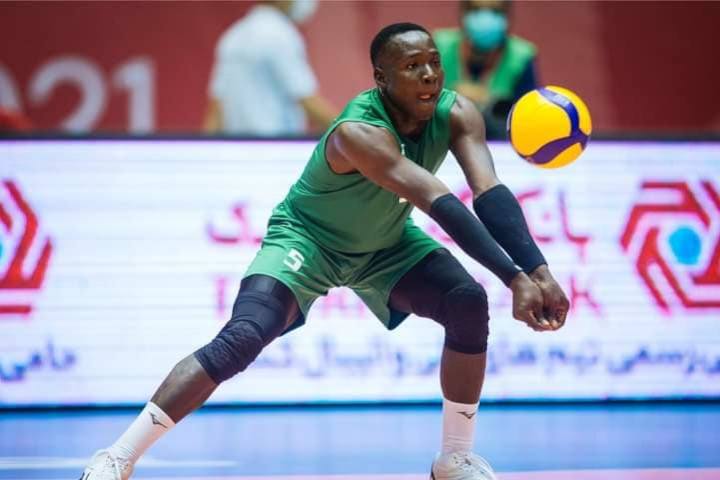
Specialized Ball Control and Serve Reception
The libero solely focuses on passing and digging and is often the primary passer who must receive the first touch after a server initiates play. They wear a separate jersey, and a rear-court defender can replace front row players as a substitute for any player in the back row, but must remain back row, and they cannot block or attack the ball above the net on the right-side or right side zones. Nigerian liberos are chosen based on their quickness, defensive skills, speed of reaction, strong communication skills, and precision of passes. When a libero receives a serve well or controls the second ball instead of taking the second touch, it helps the on-court tactician execute complex plays, allowing the setter to organize the attack as the one who runs the team’s structure and supports the team’s offense.
Tactical Differences Between a Libero and a Defensive Specialist
Despite focusing on the same area, the two roles are quite different, with a rear-court play specialist having fewer restrictions. Back-row play specialists are able to serve and rotate, while liberos have more restrictions involving setting and attacking. During Nigerian volleyball, coaches have to pick who to assign to each of these roles, depending on the match strategy, rotation, and the opposing team's strong and weak points.
Conclusion
The choice of volleyball positions in Nigeria, as part of the local volleyball system, is a reflection of a combination of international volleyball standards and local adaptations. Each player in a given position must fulfill a clearly defined role in the attack, protection, and transition, requiring a high degree of specialization. As volleyball in Nigeria continues to advance, a focus on specialized training for each position, along with an improved level of tactical awareness, will be critical for success.
FAQ
What are the 6 primary volleyball positions recognized in Nigeria?
There are six primary positions in volleyball, which are the setter, middle blocker, outside hitter, opposite hitter, libero, and rear-court play specialist. These positions are in accordance with the rules of international volleyball and apply to the different leagues and competitions in Nigeria.
How does a coach identify the best volleyball player positions for beginners?
Coaches look at fundamental skills such as coordination, the ability to pass, the player’s height, and how well the player makes decisions. Typically, beginners are trained as all-around players before they are moved to specialist positions as they begin to show particular strengths.
Can a defensive specialist play in any rotation on the court?
Defensive specialists can take part in regular rotations and can even serve, unlike liberos. That said, they will mostly focus on back-row defense and serve reception, depending on the strategy of the team.